
Categorie
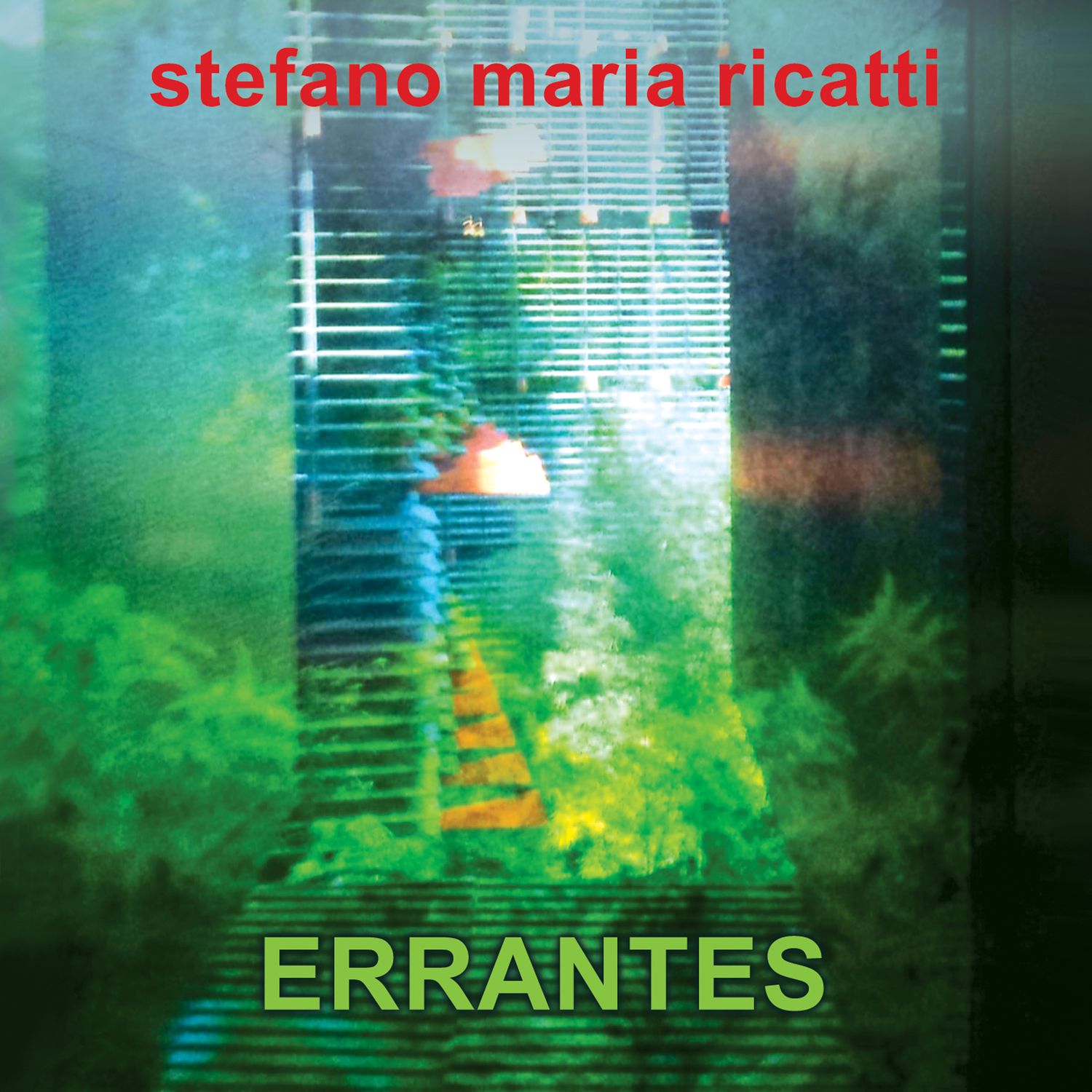
STEFANO MARIA RICATTI «Errantes»
€ 12.00
Prezzo incl. I.V.A. (22%) € 2.16
FORMATO
In magazzino: 4 disponibili
Salva questo articolo per dopo
Hai qualche domanda?
STEFANO MARIA RICATTI «Errantes»
Dettagli del prodotto

STEFANO MARIA RICATTI
«Errantes»
Caligola 2372
Roberto Favaro (tenor and soprano sax), Stefano Maria Ricatti (electric guitar), Enrico Pini (bass), Ivan Trevisan (drums).
1) Errantes; 2) Un’altra notte; 3) Carla; 4) Meditazione; 5) Tracce; 6) Foglie di tè; 7) Tatì; 8) Barenera; 9) Memorie; 10) Guaiamariaunmal.
Recorded, edited and mixed at Sonicbox Recording Studio, Mogliano Veneto (Treviso), Italy, by Giorgio Brussato and Stefano Maria Ricatti, between 2024 and 2025.
Stefano Maria Ricatti, polistrumentista e cantante, ma soprattutto compositore, inizia il suo percorso artistico nel mondo della canzone d’autore. Sia l’album del debutto, «La corriera» (1978), che «Blu», del 1993, contengono canzoni originali. Il suo crescente interesse verso le musiche di scena lo spinge a comporre per spettacoli teatrali, opere radiofoniche e balletti. È altresì interessato al rapporto fra musica ed immagini, soprattutto nel cinema. Non è un caso che i suoi successivi quattro dischi siano tutti strumentali e riflettano tale cambiamento. «The Anna Frank’s Diary» (1996) così come «Nuvole e Radici» (1999) contengono musiche composte per il teatro. Quattro anni dopo pubblica per Caligola «RicattiEnsemble» – con nuovi brani tratti da altri lavori teatrali – e nel 2004 «Suites», progetto ambizioso che raccoglie due lunghe composizioni scritte per altrettanti balletti. «Ad ore piene» (2005) segna il ritorno di Ricatti alla forma canzone, che verrà nuovamente ripresa nel 2016 con «Che ne sarà». «Errantes», il suo nuovo lavoro, è invece ancora tutto strumentale, e lo vede impegnato come compositore e chitarrista alla testa dello storico Ricatti Ensemble, accompagnato dai fedelissimi Roberto Favaro, Enrico Pini e Ivan Trevisan. L’album comprende dieci brani, dotati ciascuno di una precisa identità, ma che potrebbero anche esser scambiati per altrettanti episodi di un’unica lunga suite, ideale colonna sonora per un racconto in immagini, più in bianco e nero che a colori. In questi brevi ma succosi bozzetti musicali le forme espressive della musica popolare, filtrate attraverso la cultura mitteleuropea e la mai sopita passione per la musica improvvisata (con una dedica speciale a Carla Bley), sembrano trovare nuova linfa vitale. Siamo in presenza, verrebbe da dire, di dieci “canzoni strumentali”, dove a fare la parte del leone sono soprattutto la chitarra elettrica del leader, dal fraseggio lucido ed essenziale, ed i sassofoni di Roberto Favaro. Ricatti sceglie linee melodiche sempre chiare e lineari, riuscendo a non cadere nell’insidiosa trappola del virtuosismo strumentale. Mostra altresì di preferire la meditata riflessione alla foga espressiva, contribuendo a creare quel clima di rilassata e serena ma mai cupa nostalgia che sembra pervadere ogni momento di «Errantes».
_________________________________________________________________________________________________________
Stefano Maria Ricatti — multi–instrumentalist, vocalist and, above all, composer — began his artistic journey within songwriting. Both his debut album, «La corriera» (1978), and «Blu» (1993) feature entirely original songs. Over time, his growing interest in music for the stage led him to compose for theatre productions, radio dramas and ballet. He has long been fascinated by the dialogue between music and images, especially in cinema, a direction clearly reflected in his next four instrumental releases. «The Anna Frank’s Diary» (1996) and «Nuvole e Radici» (1999) include music originally written for the stage. Four years later, he released «RicattiEnsemble» for Caligola Records, featuring new compositions drawn from additional stage works; and in 2004 came «Suites», an ambitious project gathering two extended compositions conceived for as many ballets. With «Ad ore piene» (2005), Ricatti returned to songwriting, a path he revisited in 2016 with «Che ne sarà». His new album, «Errantes», marks another shift back to the instrumental realm, presenting him as both composer and guitarist at the helm of his long–standing Ricatti Ensemble, joined once more by trusted collaborators Roberto Favaro, Enrico Pini and Ivan Trevisan. The album features ten pieces, each with its own distinct identity, yet also similar to episodes of a single extended suite — a kind of imaginary soundtrack for a visual narrative, more in black–and–white than in colour. In these brief yet richly crafted musical sketches, the expressive languages of folk traditions, filtered through a Mitteleuropean sensibility and Ricatti’s enduring passion for improvised music (with a special nod to Carla Bley), find renewed vitality. What emerges could be described as ten “instrumental songs”, driven above all by Ricatti’s electric guitar — lucid, essential, and free of any ornamental excess — and by Roberto Favaro’s saxophones. Ricatti consistently favours clear, linear melodic writing, and avoids the pitfalls of empty virtuosity. He also reveals a preference for thoughtful reflection over expressive urgency, shaping the relaxed, serene, and never sombre sense of nostalgia that permeates every moment of «Errantes».
Mostra prezzi in:EUR
