
Categorie
ROBERTO DE NITTIS «Sextuor»
€ 12.00
ULTIMA NOVITA'!!
Prezzo incl. I.V.A. (22%) € 2.16
FORMATO
Tempo di consegna stimato
Consegna locale: tra 16 giorni
In magazzino: 5 disponibili
Salva questo articolo per dopo
Hai qualche domanda?
ROBERTO DE NITTIS «Sextuor»
Dettagli del prodotto

ROBERTO DE NITTIS
«Sextuor»
Caligola 2388
Roberto De Nittis (piano, conduction), Camilla Masin (flute), Marco Peruzza (violin, viola), Kiara Kilianska (cello), Filippo Arato (clarinet, bass clarinet), Jacopo Borin (baritone and soprano sax). Special guests: Dario Cecchini (baritone sax) on tracks # 3/11, Federica Michisanti (double bass) on tracks # 6/11, Adi Souza (spoken voice) on track # 9.
Recorded in June 2026, mixed and mastered in July 2026, at Artesuono Recording Studios, Cavalicco (Udine), Italy by Stefano Amerio.
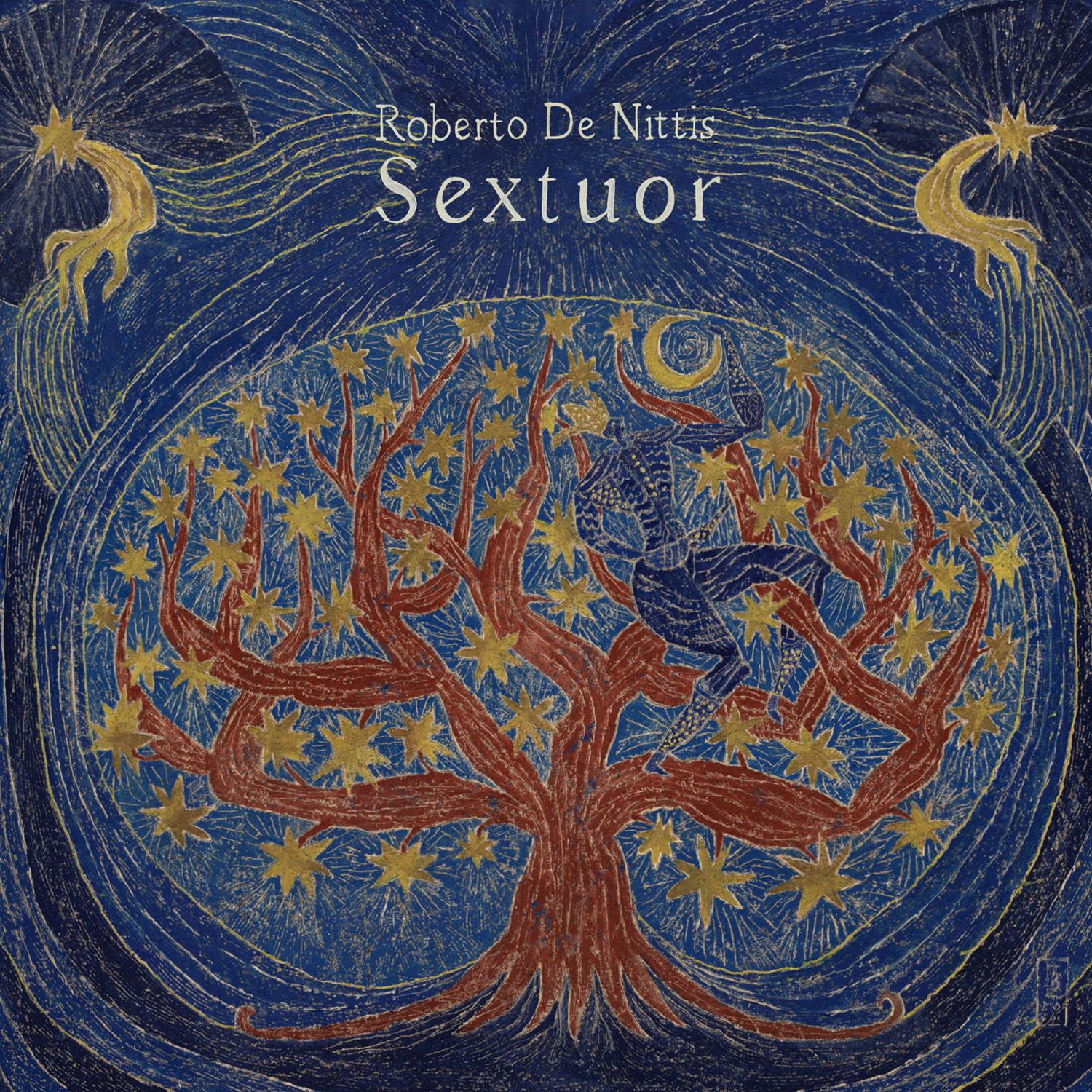
L’album «Sextuor» di Roberto De Nittis – il suo terzo da leader, dopo «Dada» (2019) e «Maé» (2023), pubblicati entrambi da Caligola – ruota attorno al concetto di romanza contemporanea: una serie di brevi composizioni espressamente ispirate alle atmosfere, ai ritmi e alle visioni del mondo notturno. Il suggestivo disegno che unisce i dodici brani crea un ponte naturale fra tre universi espressivi: il rigore della musica da camera, riconoscibile nell’intreccio contrappuntistico degli strumenti; l’elasticità del jazz e la sua spinta improvvisativa; la liricità della canzone d’autore, presente nei temi cantabili e narrativi. Non è casuale la scelta dell’organico, un sestetto di impronta cameristica completato da cinque giovanissimi musicisti di formazione classica. Ogni brano è un’istantanea di atmosfera, una sorta di miniatura sonora: dalla rifrazione della luce lunare al sussurro ironico, dalla salsedine notturna alle reminiscenze oniriche. Tutte le composizioni sono di De Nittis, ad eccezione di Luna di Mezzogiorno, scritta da Bebo Ferra, ma anche di L’Obelisco e Take Off, firmate rispettivamente dai due prestigiosi ospiti del disco, Dario Cecchini e Federica Michisanti. Merita sottolineare che in Maresia viene letta da Adi Souza una poesia di Fernando Pessoa. Ha scritto nelle liner notes dell’album Giovanni Sollima: “Sextuor di Roberto De Nittis è un viaggio tra piani diversi con un linguaggio vario e aperto ai segni del mondo. È lunare e fisico insieme. Ironico, intimo, nostalgico. Mescola classica, jazz, canzone e improvvisazione, stratificandole liberamente … Si ascolta tutto d’un fiato, e subito ti viene voglia di riascoltarlo. Ancora e ancora.” Di particolare rilievo anche la realizzazione sonora, affidata a Stefano Amerio, da tempo tra gli ingegneri del suono più apprezzati in Europa, che ha curato registrazione, mix e mastering. Completa il progetto l’artwork di Carmine Bellucci, caratterizzato da una grafica originale e raffinata, che contribuisce a definire un’identità visiva coerente con la ricchezza e la sensibilità musicale dell’album.
____________________________________________________________________________________________
Roberto De Nittis’s «Sextuor» – his third album as a leader, following «Dada» (2019) and«Maé» (2023), both released by Caligola – revolves around the concept of the contemporary romanza: a series of short compositions expressly inspired by the atmospheres, rhythms and visions of the nocturnal world. The evocative design that brings together the twelve pieces creates a natural bridge between three expressive worlds: the rigor of chamber music, reflected in the instruments’ contrapuntal interplay; the flexibility of jazz and its improvisational drive; and the lyricism of the singer–songwriter tradition, expressed through melodic, narrative themes. The choice of instrumentation is no coincidence: a chamber–oriented sextet, complemented by five very young musicians with a classical background. Each piece is an atmospheric snapshot, a kind of sonic miniature: from the refraction of moonlight to an ironic whisper, from the salt–laden air of the night to dreamlike reminiscences. All compositions are by De Nittis, with the exceptions of Luna di Mezzogiorno by Bebo Ferra, L’Obelisco and Take Off, written respectively by the two distinguished guests on the album, Dario Cecchini and Federica Michisanti. It is worth noting that in Maresia a poem by Fernando Pessoa is read by Adi Souza. Giovanni Sollima writes in the liner notes: “Sextuor by Roberto De Nittis is a journey through different music levels, featuring a rich language that is varied and open to the world. It’s both lunar and physical, as well as ironic, intimate, and nostalgic… It’s music you can listen to in one breath, and immediately want to hear again and again.” The sound production is also particularly noteworthy, entrusted to Stefano Amerio, long among Europe’s most highly regarded sound engineers, who handled recording, mixing and mastering. Completing the project is Carmine Bellucci’s artwork, distinguished by its original and refined design, which contributes to defining a visual identity consistent with the richness and musical sensitivity of the album.
Mostra prezzi in:EUR
