
Categorie
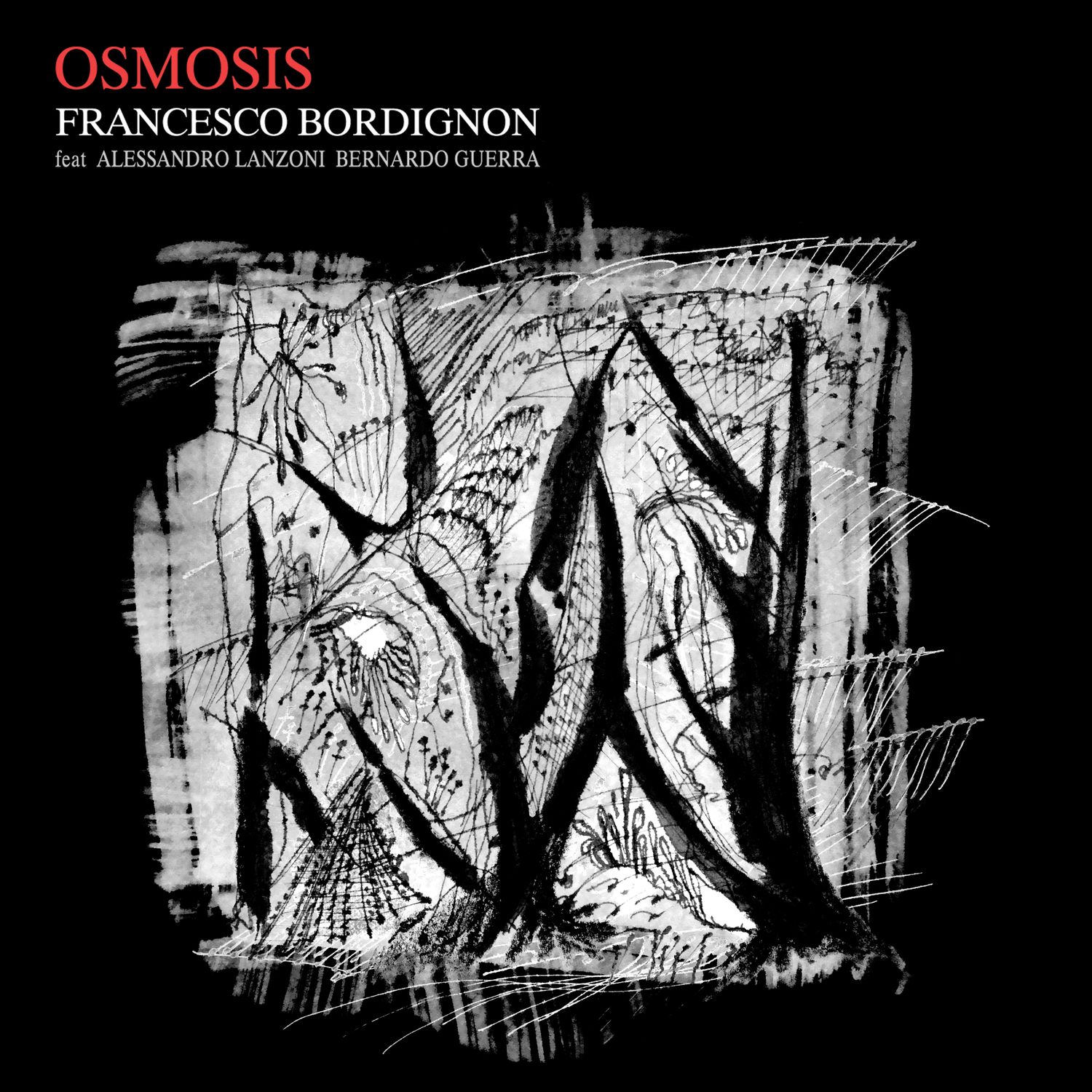
FRANCESCO BORDIGNON «Osmosis»
€ 12.00
ULTIMA NOVITA'!!
Prezzo incl. I.V.A. (22%) € 2.16
FORMATO
Tempo di consegna stimato
Consegna locale: tra 16 giorni
In magazzino: 10 disponibili
Salva questo articolo per dopo
Hai qualche domanda?
FRANCESCO BORDIGNON «Osmosis»
Dettagli del prodotto

FRANCESCO BORDIGNON
«Osmosis»
Caligola 2391
Alessandro Lanzoni (piano, Hammond organ on # 2, # 9),
Francesco Bordignon (double bass, piano on # 2), Bernardo Guerra (drums).
Recorded on 12th and 13th February 2026 at Art Music Recording Studio, Bassano del Grappa (Vicenza), Italy, by Diego Piotto; mixed by Alberto Gatti and Francesco Bordignon; mastered by Christoph Stickel.
Francesco Bordignon (Bassano del Grappa, 1999), fra i più apprezzati contrabbassisti italiani della nuova generazione, è qui alla testa di un interessante trio formatosi nel 2024 e completato da due musicisti fiorentini di grande esperienza come Alessandro Lanzoni (pianoforte, 1992) e Bernardo Guerra (batteria, 1988). Lanzoni, vincitore nel 2013 del referendum della rivista Musica Jazz come miglior nuovo talento italiano, guida oggi un trio completato da Gabriele Evangelista e Jeff Ballard, batterista che non ha certo bisogno di presentazioni. Altrettanto si può dire di Bernardo Guerra che, oltre ad aver suonato con Cristiano Arcelli, Camilla Battaglia e Barbara Casini, ha acquisito ulteriore notorietà collaborando in diverse occasioni con Stefano Bollani. «Osmosis», disco che segna il debutto di Bordignon in qualità di leader, non è solo il risultato di una brillante seduta di registrazione, ma la riuscita sintesi di una collaborazione ormai triennale. Il titolo evoca legami, luoghi, amicizie ed esperienze, ma per Bordignon questa parola rappresenta soprattutto l'arricchimento reciproco che nasce dallo stare insieme, dal condividere esperienze e crescere come individui. L'album contiene dieci brani, sette dei quali originali. Il tono generale è per lo più intimo, e rivela la profonda sensibilità del leader, che non è solo pregevole contrabbassista, ma musicista a tutto tondo, capace di guidare con autorevolezza un trio completato da musicisti di forte personalità come Guerra e Lanzoni, che in due brani si cimenta all’organo Hammond. Fra le composizioni originali meritano d’esser ricordate la delicata Alma – che apre l’album e viene ripresa anche alla fine – così come l’incalzante brano che dà il titolo al disco o l’ipnotica e più articolata Mocenni. Fra fra le riletture si fanno apprezzare la porteriana Everything I Love, con il piano di Lanzoni in evidenza, ma anche la meno nota e più rarefatta Night Flower, di Herbie Hancock, dove a guidare le danze è l’incisivo e fantasioso contrabbasso del leader.
_____________________________________________________________________________________________
Francesco Bordignon (Bassano del Grappa, 1999), one of the most highly regarded Italian double bassists of the new generation, here leads an engaging trio formed in 2024 and completed by two highly experienced Florentine musicians: Alessandro Lanzoni (piano, b. 1992) and Bernardo Guerra (drums, b. 1988). Lanzoni, who in 2013 was named best new Italian talent in Musica Jazz magazine's annual poll, currently leads a trio with Gabriele Evangelista and Jeff Ballard, a drummer who certainly needs no introduction. The same can be said of Bernardo Guerra who, in addition to playing with Cristiano Arcelli, Camilla Battaglia and Barbara Casini, has gained further recognition through several collaborations with Stefano Bollani. "Osmosis", which marks Bordignon's debut as a leader, is not merely the outcome of a brilliant recording session, but the successful synthesis of a collaboration now in its third year. The title evokes bonds, places, friendships and experiences, yet for Bordignon the word stands above all for the mutual enrichment that comes from being together, sharing experiences and growing as individuals. The album features ten tracks, seven of them originals. The overall tone is largely intimate and reveals the deep sensitivity of the leader, who is not only a fine double bassist but an all-round musician, able to lead with authority a trio of such strong personalities as Guerra and Lanzoni, the latter also trying his hand at the Hammond organ on two tracks. Among the original compositions, special mention goes to the delicate Alma – which opens the album and returns at its close – as well as the driving title track and the hypnotic, more elaborate Mocenni. Among the covers, standouts include Cole Porter's Everything I Love, featuring Lanzoni's piano in the spotlight, and Herbie Hancock's lesser-known, more rarefied Night Flower, where the leader's incisive and imaginative bass takes the lead.
Mostra prezzi in:EUR
